
Wedderburn’s Gambling Trap
Poor ThingsThis flow isolates the transformation of Duncan Wedderburn’s first roulette win into compulsion, debt, and personal collapse.
increasing Bearing strength in each event
 decreasing
Bearing strength in each eventdecreasingA Systematic First Bet

A Systematic First Bet
The apparent proof
Wedderburn bets on roulette using a simple progression and wins a considerable sum. He treats the outcome as confirmation that reason can master chance.
A dangerous interpretation
The win magnifies his pride and makes warnings difficult to accept. What looks like success becomes the condition that draws him back into the game.
The Gambler’s Warning
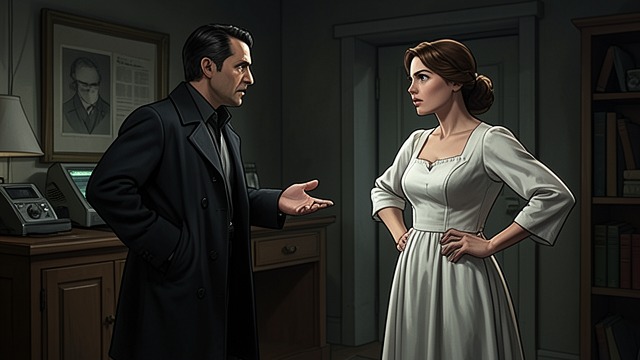
The Gambler’s Warning
A pattern recognized
A Russian gambler explains to Bella Baxter that beginners sometimes mistake an accidental run for a dependable system. He warns that Wedderburn is likely to return and lose.
Advice without authority
Bella attempts to intervene, but Wedderburn resents counsel that challenges his confidence. The warning is accurate, yet accuracy alone cannot interrupt his compulsion.
Money Hidden for Escape

Money Hidden for Escape
A practical safeguard
Bella Baxter removes part of Wedderburn’s winnings and keeps it aside. She does so to protect their ability to leave if he gambles again, not to control him for profit.
Trust under strain
Her action anticipates his likely loss and places her in the role of caretaker. Wedderburn’s fantasy of mastery leaves Bella preparing for consequences he refuses to consider.
The Certain Loss
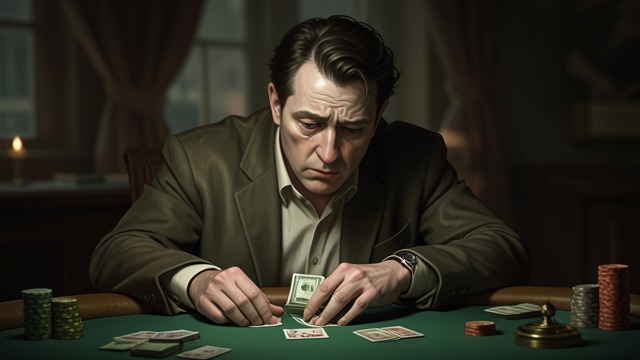
The Certain Loss
Compulsion returns
Wedderburn returns to the casino and loses the money he won. He continues trying to recover it, relying on further wagers rather than accepting the loss.
Freedom surrendered
His fixation narrows the future to one impossible correction. The gambler’s warning becomes reality as his choices reduce his control over money, movement, and judgment.
A Journey Away from the Tables
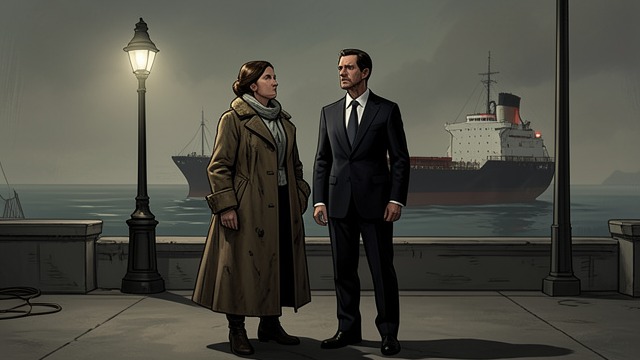
A Journey Away from the Tables
Bella takes charge
Bella redirects Wedderburn toward travel without easy gambling opportunities and arranges passage on a cargo ship. When he asks how she found the money, she refuses to explain.
The trap’s emotional aftermath
Wedderburn alternates between suspicion, shame, and dependence. Even removed from the casino, he has not recovered his agency; the gambling crisis has become a crisis of identity.
At the Odessa casino, during 1883
Later that night in Odessa
After the first casino session, in Odessa
The day after the winning session in Odessa
After Odessa, during the route toward Trieste
